A crochet vest is the single most beginner-friendly garment you can make: no sleeves to set in, no fussy shaping, and most of them are just a couple of rectangles or one big granny hexagon seamed at the shoulders. This collection of 32 free crochet vest patterns covers every version you'll actually wear — airy lace vests for spring, chunky bulky vests for a fall layer, granny-square and boho vests, plus baby and plus-size options — so you can pick one that matches your yarn stash and skill level and have it on your shoulders by the weekend.
Vests are also the smartest way to learn garment-making without committing to a full sweater. You practice gauge, seaming, and simple shaping on a project that's forgiving of a half-inch here or there. Below, the patterns are grouped by style so you can jump straight to the look you want, with an honest note on how much shaping each one involves.
Easy granny-square & motif vests
The classic starting point — work flat motifs or one big hexagon, then fold and seam. Almost no shaping required.
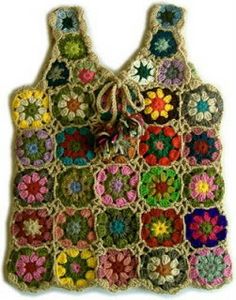
Granny-Square Vest. Join a grid of standard granny squares into a rectangle, fold it, and seam the sides, leaving gaps for the armholes. Because the fit comes from how many squares you make, it's endlessly sizeable — add a column for a roomier vest, subtract one for a cropped fit. A perfect stash-buster.
Boho Hexagon Vest. Two large crochet hexagons folded and seamed create the whole garment, with the fold becoming the shoulder line and the open sides forming the armholes. It reads as far more advanced than it is — the shaping is entirely in the geometry, not in any decreasing.
Simple Cotton Summer Vest. A lightweight motif vest in cotton yarn that layers over a tank or tee. Cotton gives crisp stitch definition and keeps the vest breathable for warm weather, and blocking the finished motifs flat makes the seams disappear.
Lace & openwork vests
Delicate, drapey vests worked in shells, V-stitches, and filet-style mesh — dressier and great for layering.
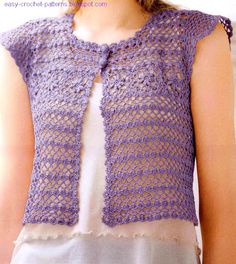
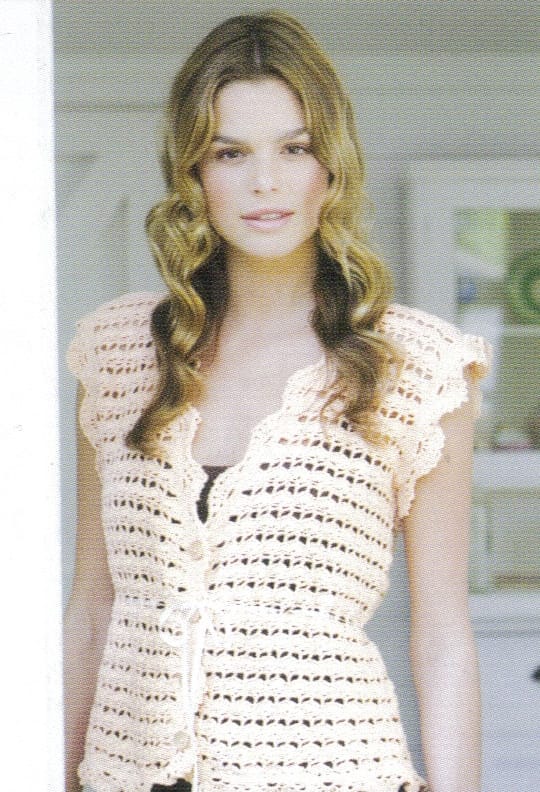
Lace Shell Vest. Rows of shell or fan stitches create an open, feminine fabric that drapes beautifully over a dress or blouse. Work it in a drapey fingering or sport-weight yarn and block it firmly so the lace opens up.
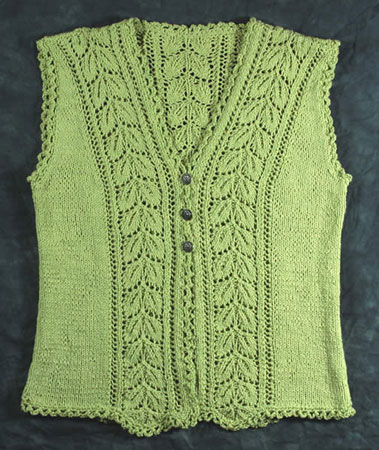
Leaf Lace Vest. A leaf-motif openwork panel makes this vest a standout layering piece. The repeat is memorizable after a few rows, so it works up faster than it looks once you're past the first pattern band.
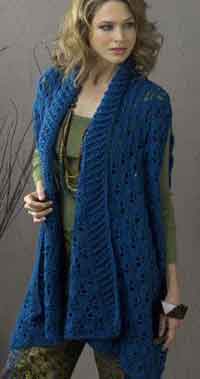
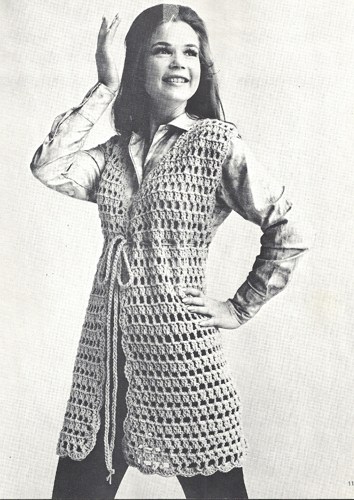
Long Duster Vest. A longline, waterfall-front vest that skims past the hips. Openwork keeps the length from feeling heavy, and the front panels are simply left unjoined to create the draped, open silhouette.
Chunky & bulky vests for fall
Fast, warm layers on a big hook — the ones you'll reach for on cool days.
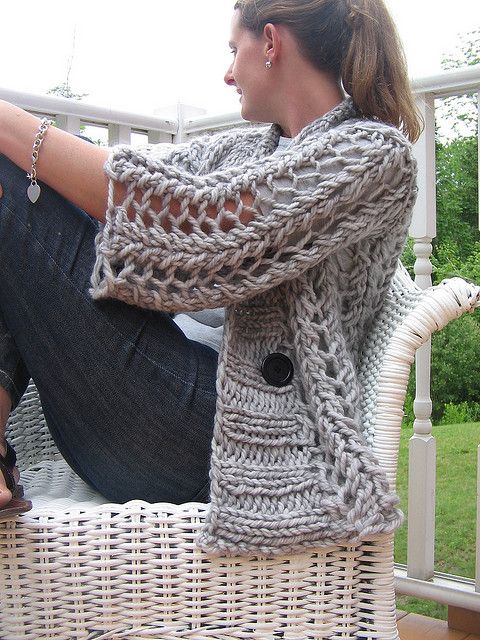
Bulky Weekend Vest. Worked in super-bulky yarn on a large hook, this is the fastest finish on the list — many crocheters complete it in a single weekend. Simple stitches and a boxy fit make it a confident first garment.
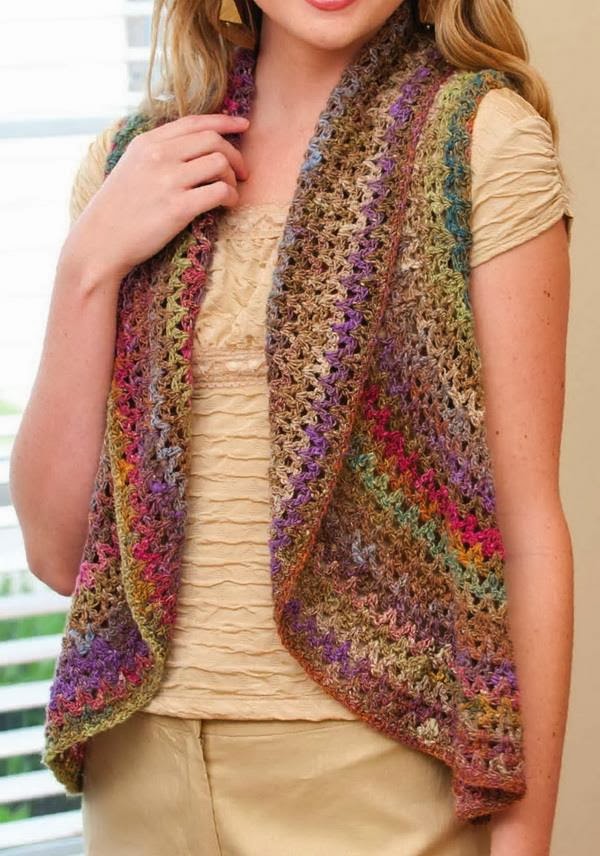
Classic Sweater Vest. A ribbed-hem, V-neck sweater vest with a tailored look that layers over a collared shirt. It introduces gentle armhole and neck shaping, so it's a good next step once you've made a squares-based vest.
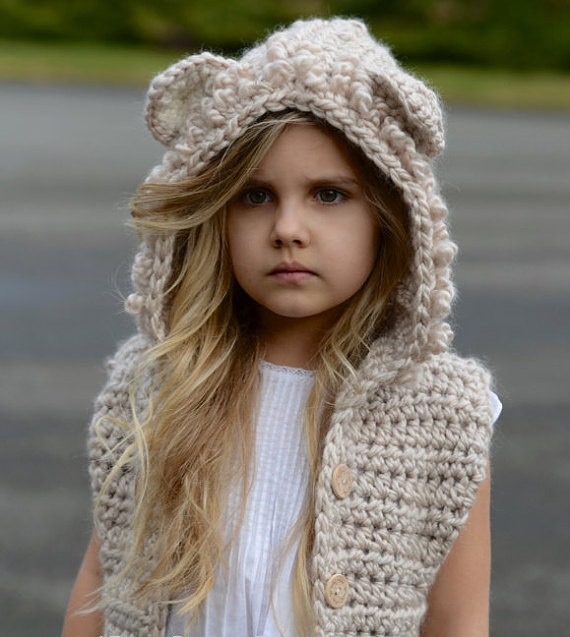
Hooded Vest. A cozy vest with an added hood for extra warmth — great for kids and adults alike. The hood is worked as a simple rectangle folded and seamed, then joined to the neckline, so it doesn't add much difficulty.
Cardigan-style & open-front layers
Vests with a cardigan drape — open fronts, longer lines, and relaxed fits.
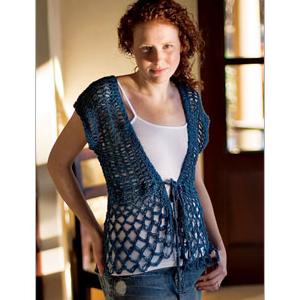
Beginner Open-Front Cardi-Vest. An open-front layer worked mostly in one piece, with no buttonholes or closures to fuss over. It's the bridge project between a vest and a full cardigan.
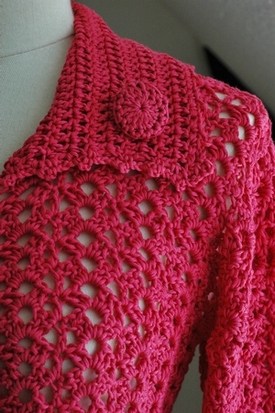
Draped Waterfall Vest. Cascading front edges give this vest its waterfall drape. Because the fronts are meant to hang open, the shaping is minimal — the fabric does the work.
Baby, kids & plus-size vests
Sized for the whole family, from nursery gifts to inclusive adult fits.
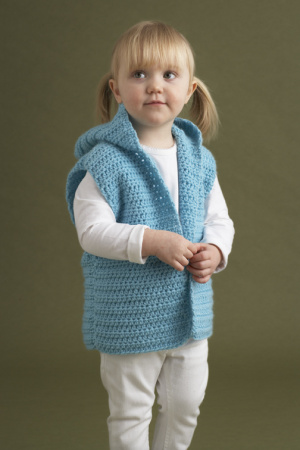
Toddler Vest. A quick, single-skein vest that makes a fast baby-shower gift. Toddler sizes work up in an evening, so they're ideal for using up leftover worsted.
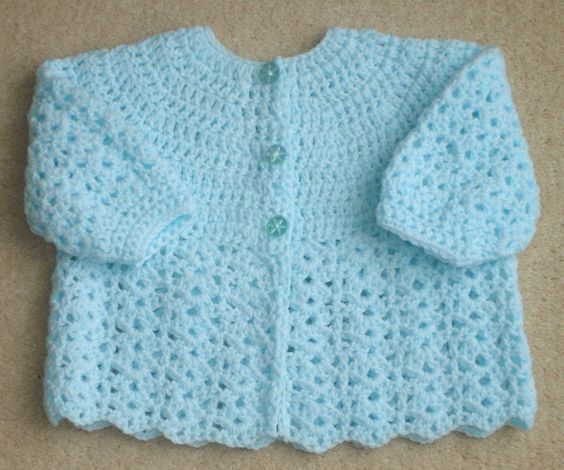
Baby Vest. A soft, buttoned baby vest in a gentle yarn. Choose a machine-washable acrylic or cotton blend so it survives real-life laundry.
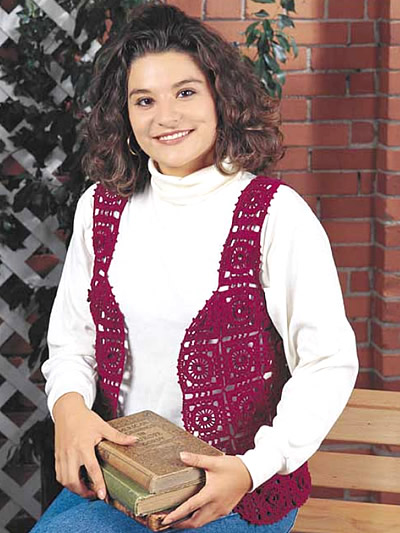
Plus-Size Vest. A size-inclusive pattern written with a full range of measurements so the fit is flattering rather than an afterthought. Granny-based and rectangle-construction vests are especially easy to grade up — just add motifs or rows.
Tips for crocheting a vest that fits
- Check gauge before you commit. A vest is big enough that a slightly-off gauge compounds into inches. Crochet a swatch, block it, and measure before starting the body.
- Block the pieces before seaming. Blocking flattens motifs, opens up lace, and makes seams lie invisibly. It's the single biggest upgrade to a homemade-looking vest.
- Measure a vest you already own. For length and armhole depth, lay a favorite store-bought vest flat and match its numbers rather than trusting the pattern's model measurements.
- Use stitch markers at the armholes. Marking where each armhole starts and stops keeps the two sides symmetrical, especially on open-front and lace vests.
- Seam with a tapestry needle, not the hook. A mattress-stitch seam with a yarn needle is far tidier and more elastic at the shoulders than a crocheted-on seam.
More cozy crochet to make next
Once your vest is off the hook, keep the cozy layers coming. Pair it with a matching set of crochet fingerless gloves for chilly mornings, drape a crochet poncho over the same outfit for weekend errands, or personalize a gift with crochet letter patterns stitched onto a pocket. Working toward fall decor too? Our crochet pumpkin patterns and crochet basket patterns round out a whole autumn making list.
Frequently asked questions
What is the easiest crochet vest for a beginner?
A granny-square or hexagon vest is the easiest by far. You crochet flat motifs with no shaping, then fold and seam them into a vest — the fit comes from geometry, not from decreasing stitches. If you can make a granny square, you can make one of these vests.
How much yarn does a crochet vest need?
Most adult vests take roughly 700–1,200 yards depending on size, yarn weight, and how open the stitch pattern is. Lace and openwork vests use less; chunky bulky vests use more yardage per inch but fewer total stitches. Always buy an extra skein from the same dye lot as insurance.
What yarn is best for a crochet vest?
For a spring or summer vest, cotton or a cotton blend gives crisp stitches and breathability. For a warm fall layer, a worsted or bulky wool or wool-blend adds warmth and structure. Drapey vests look best in a soft fingering or sport-weight yarn with good movement.
How do I make sure my crochet vest fits?
Swatch and block for gauge first, then measure a vest you already own for length and armhole depth rather than relying on the model's measurements. Rectangle- and motif-based vests are the most forgiving because you can add or remove squares and rows to fine-tune the fit.
Grab a couple of skeins and start with a granny-square or bulky vest this weekend — they're the fastest wins here. When you're ready for more layers, our crochet poncho patterns and fingerless gloves patterns are the natural next projects.