
You do not need a sewing machine — or any sewing skill at all — to dress a window beautifully. With iron-on hem tape, clip rings, and a few smart folds, you can turn plain fabric, a drop cloth, or even a flat sheet into custom curtains in an afternoon. This collection of 34 no-sew curtain ideas walks through every method that actually holds up, from fusible-hem panels and clip-ring drapes to cafe curtains, valances, and DIY tie-backs, so you can style any room on a budget without threading a single needle.
No-sew curtains are the fastest, cheapest way to change how a room feels. Below, the ideas are grouped by technique so you can pick the method that fits your fabric and your window, with honest notes on which ones are the most durable and which are best for low-traffic windows.
The best no-sew methods (and when to use each)
Before the style ideas, here's how the curtains actually get made without stitching.
Iron-on hem tape (fusible web). The workhorse of no-sew curtains. Fold your hem, sandwich a strip of Heat n Bond or similar fusible tape inside, and press with a hot iron — the adhesive melts and bonds the fold permanently. Use it for the side hems, bottom hem, and a top rod-pocket. It survives gentle washing if you follow the tape's cure instructions, making it the most durable no-sew option.
Clip rings. The truly zero-effort method: press or hem-tape the edges of a fabric panel (or skip hemming on a pre-finished sheet), then clip drapery ring clips evenly across the top and slide them onto the rod. Clip rings also let you adjust the length instantly and are ideal for renters.
Tab-top and tie-top folds. Fold loops of the same fabric or lengths of ribbon over the rod and secure them to the panel with hem tape. This gives a relaxed, casual heading with visible tabs or ties — no grommet tools required.
Fabric glue for accents. For trims, tassels, and pom-pom edging, a permanent fabric glue is faster and flatter than stitching. Keep it to embellishments rather than structural hems, which hold better with fusible tape.
Full-length no-sew curtain panels
Floor-length drapes that make a room feel taller and finished.
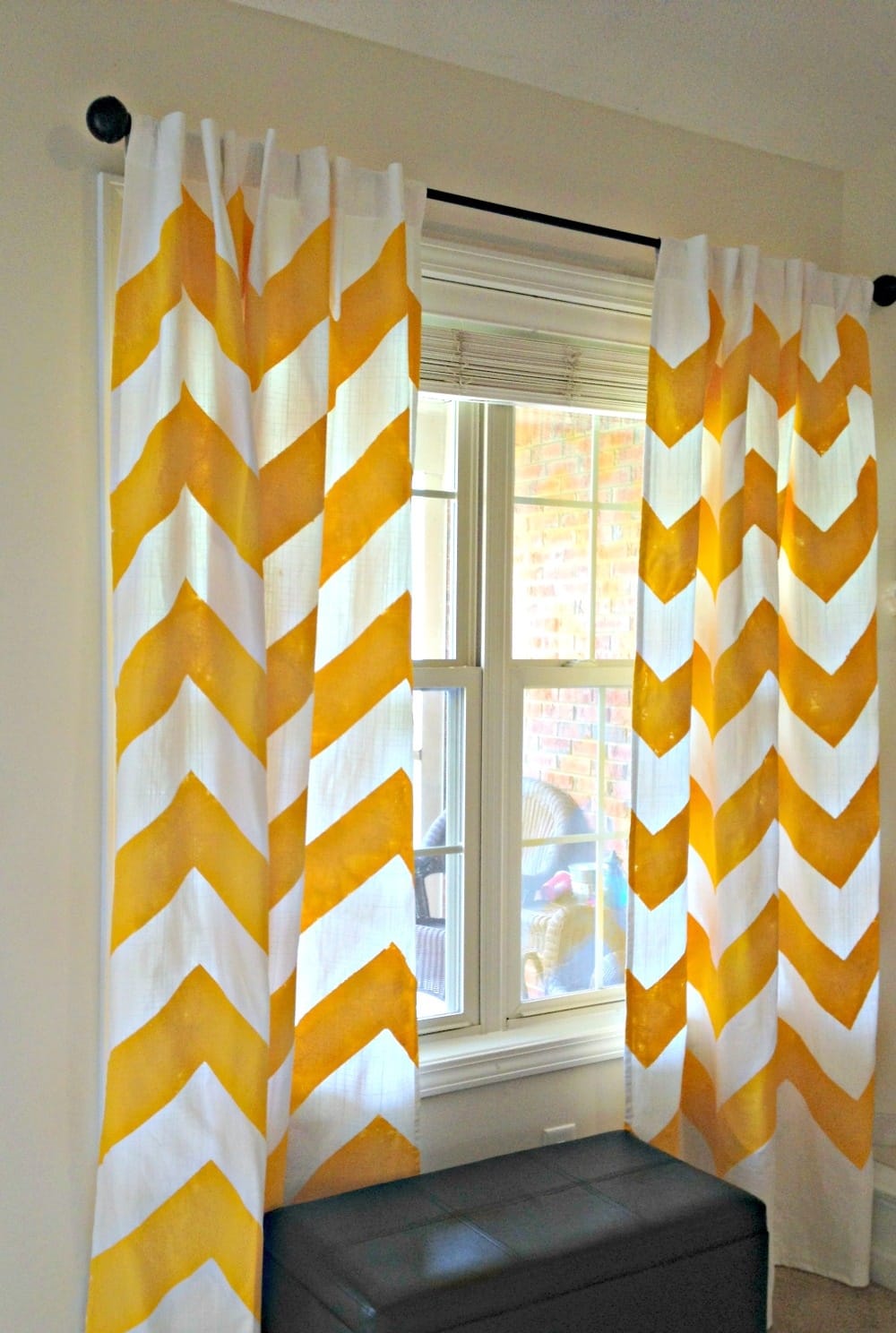
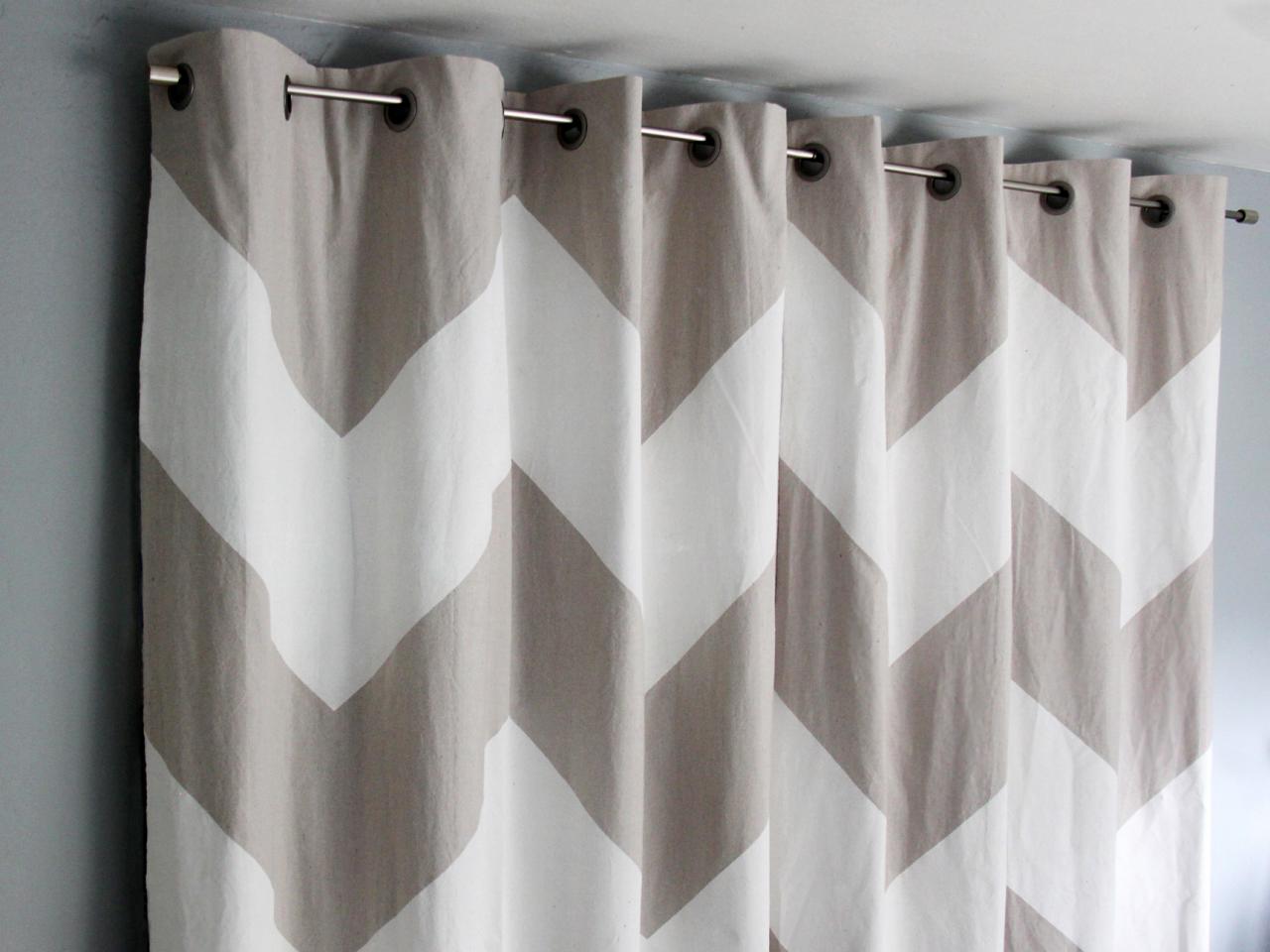
Bold Pattern Statement Panels. A large-scale print or chevron reads as expensive even on inexpensive fabric. Hem all four sides with fusible tape, add a rod pocket at the top, and hang high and wide — mount the rod several inches above the frame and let panels extend past the window — to maximize the effect.
Color-Block Panels. Fuse two coordinating fabrics together with a horizontal hem-tape seam to create a color-blocked panel — a designer look with no sewing. Great for using two shorter fabric remnants to reach full length.
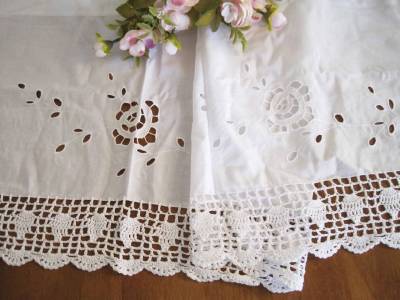
Lace Overlay Curtains. Layer a sheer lace panel over a solid drape for softness and privacy. Clip rings make it easy to hang both layers on one rod, and lace hides any imperfect edges.
Drop-cloth & flat-sheet curtains
The budget favorites — painter's drop cloths and bed sheets make surprisingly elegant curtains.
Painter's Drop-Cloth Drapes. A canvas drop cloth is pre-hemmed, wide, and costs a fraction of curtain fabric. Wash and press it, hem-tape the cut edge, add clip rings, and you have heavy, linen-look drapes for very little money. Optionally dip-dye or stencil the bottom for a custom touch.
Flat-Sheet Curtains. A flat bed sheet is already hemmed on all four sides — the ultimate shortcut. Add clip rings or a hem-tape rod pocket and it's done. Twin and full sheets cover most standard windows, and the range of prints available makes matching a room easy.
Cafe curtains, valances & tiers
Half-window and top-only treatments for kitchens, baths, and anywhere you want light plus privacy.
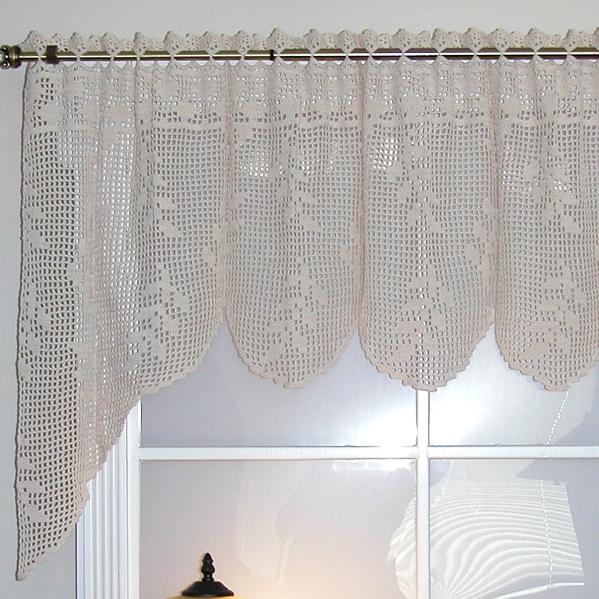
No-Sew Valances. A valance covers just the top of the window and uses very little fabric, so it's the quickest project here. Fold fabric over a tension rod, secure with hem tape, and you're done — perfect for kitchens and above the sink.
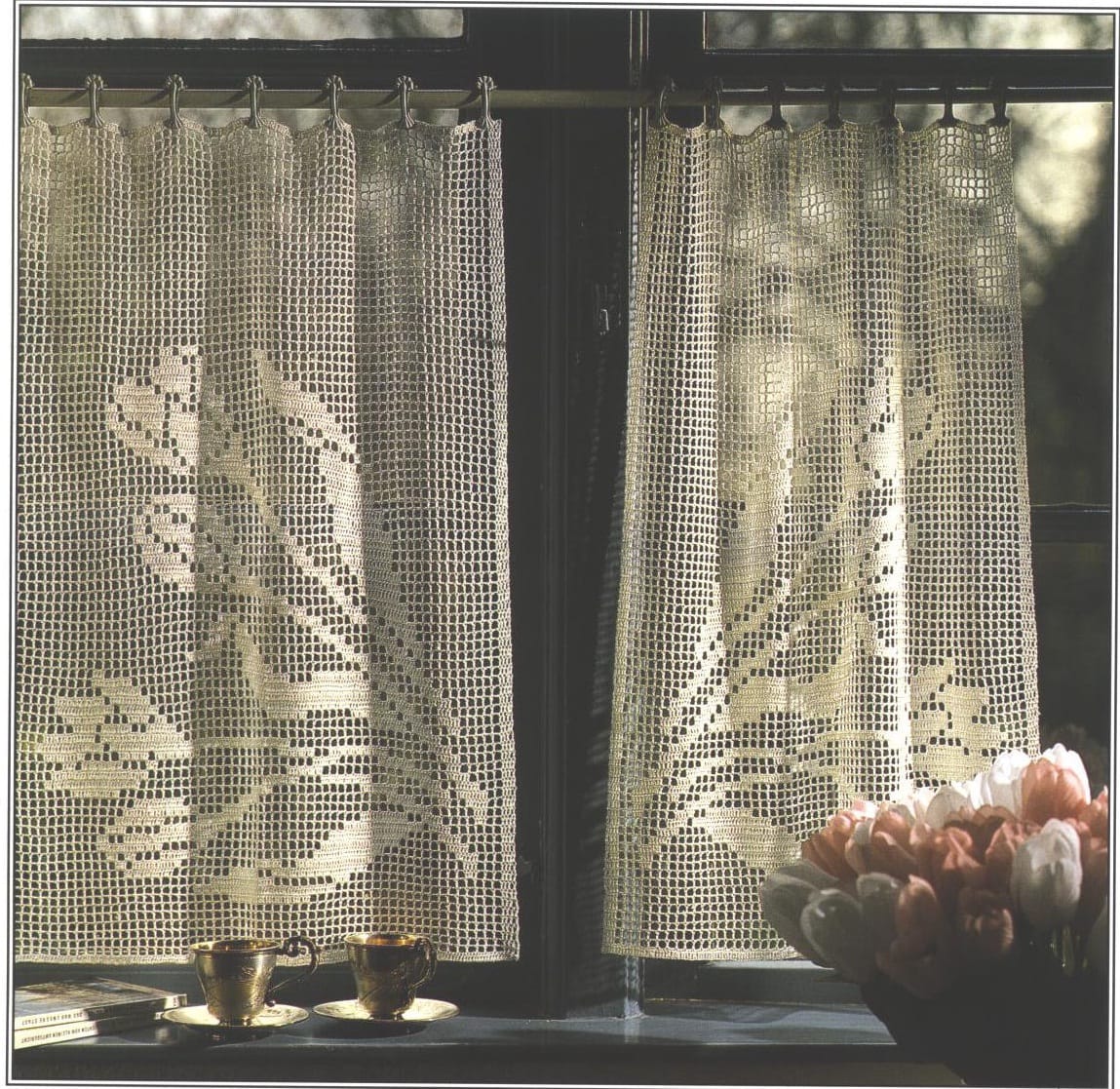
Cafe Curtains. Cover only the lower half of a window for privacy while keeping the top open to light. Mount a tension rod at the midpoint and hang a short hem-taped panel or clip-ring cafe curtain — ideal for bathrooms and street-facing kitchen windows.
Tiered Tab-Top Curtains. Two short tiers on separate rods give a farmhouse look and let you open the top and bottom independently. Tab tops keep the heading casual and are easy to fuse on.
No-sew tie-backs & finishing touches
The details that make no-sew curtains look intentional rather than improvised.
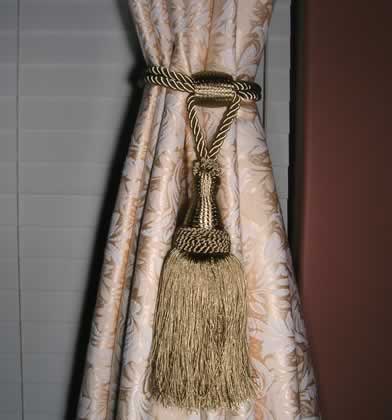
Tasseled Rope Tie-Backs. A length of decorative rope or cord with tassels at each end wraps the curtain and hooks to the wall — no sewing, just a wall hook. Instantly dresses up a plain panel.
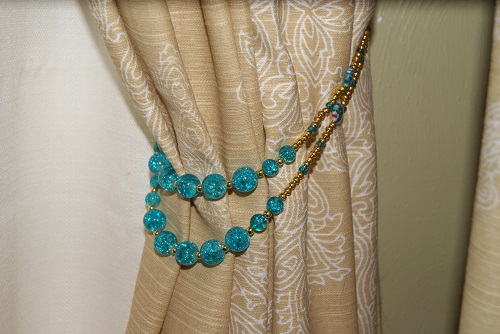
Beaded Tie-Backs. Thread large beads onto sturdy cord for a boho tie-back that catches the light. Great for a kids' room or a bohemian space.
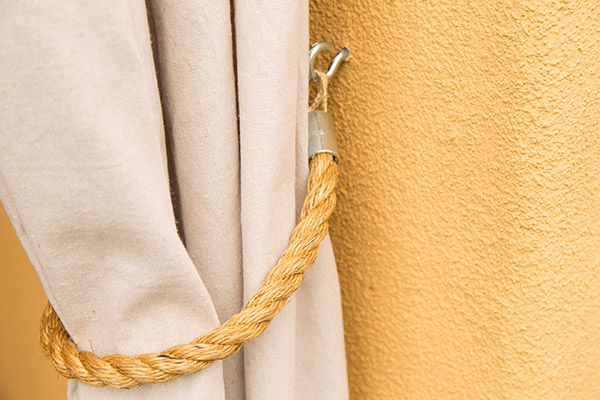
Rustic Rope Tie-Backs. Plain jute or cotton rope tied in a simple knot gives farmhouse and coastal rooms an easy, textural finish. The cheapest tie-back of all, and it takes two minutes.
Tips for no-sew curtains that last
- Buy extra length for hems and pooling. Add at least 8–10 inches to your window measurement for a top rod-pocket, a bottom hem, and a little pooling on the floor.
- Press hems before and after fusing. A crisp pre-fold makes the hem-tape bond cleaner and the finished edge sharper. Always follow the tape's heat and cure-time instructions so the bond holds.
- Hang high and wide. Mounting the rod near the ceiling and extending it past the window frame makes windows look bigger and rooms taller — the single biggest visual upgrade.
- Weight the bottom for drape. Curtain weights or a heavier hem help panels hang straight instead of billowing, especially with lightweight fabrics.
- Use tension rods for renters. Tension rods need no hardware or holes, so they're perfect for cafe curtains and valances in a rental.
More easy home-decor projects
Keep the budget makeover going. Add texture with a set of crochet basket patterns for tidy storage, soften a table or shelf with crochet doily patterns, turn a few spare doilies into a doily lamp, and bring greenery up off the floor with macramé plant hanger patterns. Personalize a throw pillow or wall hanging with crochet letter patterns to tie the whole room together.
Frequently asked questions
How do you make curtains without sewing?
The most durable method is iron-on hem tape (fusible web): fold the fabric edge over the tape and press with a hot iron to bond it permanently. For the top, either fuse a rod pocket or clip on drapery ring clips. Flat sheets and pre-hemmed drop cloths skip most of the work because their edges are already finished.
Do no-sew curtains hold up in the wash?
Hem-tape (fusible) hems hold up to gentle washing if you follow the tape's cure-time instructions before laundering, and wash cold on a delicate cycle. Clip-ring curtains are the most wash-friendly since the rings simply unclip. Fabric-glue accents are best spot-cleaned rather than machine-washed.
What fabric is best for no-sew curtains?
Medium-weight cotton, linen, canvas drop cloth, and cotton bed sheets are the easiest to work with — they press well, hold a fused hem, and hang nicely. Very thick or very slippery fabrics are harder to fuse cleanly. Sheers work best with clip rings rather than hem tape.
How much fabric do I need for no-sew curtains?
Measure your window width and multiply by 1.5 to 2 for fullness, then add a few inches per side for hems. For length, measure from the rod to where you want the curtain to end and add 8–10 inches for the top pocket, bottom hem, and any floor pooling.
Pick your window, grab a roll of hem tape and a pack of clip rings, and start with a valance or a flat-sheet panel — the quickest wins here. When the windows are done, our crochet basket patterns, crochet doily patterns and wine cork craft ideas are ready to finish the room. Change the light too — the wine glass chandelier ideas include versions that need no wiring.