

Few things transform a window like a handmade crochet curtain — the way afternoon light falls through a filet-lace panel or a pineapple border is something no store-bought sheer can match. Whether you love crisp country lines, bold graphic motifs, or delicate monochrome lace, there's a crochet curtain here for every room and every skill level. This collection of 24 simple crochet curtain patterns gathers filet panels, cafe and kitchen curtains, flower and net designs, ruffled valances, decorative edgings, and quick tie-backs, so you can dress each window in your home by hook and thread.
Crochet curtains sit at a lovely intersection of decor and portable handwork: most are worked flat in rows or small repeatable motifs, so you can carry the project anywhere and add a window's worth of lace an evening at a time. Below, the patterns are grouped by style — from full lace panels down to a 20-minute tie-back — with a note on the technique and best fit so you can pick the right one for the window you're staring at right now.
Filet & lace crochet curtains
The heart of the category. Filet crochet builds a picture or motif out of open and filled squares, giving you a light, airy panel that still frames the window with pattern.
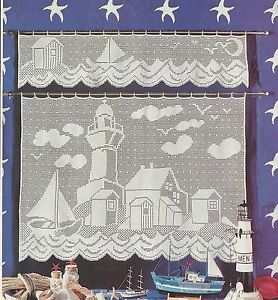
Filet Crochet Curtain. A classic filet panel worked in fine cotton thread, best for smaller windows like cabinet fronts or a kitchen sash. Because filet is built on a simple grid of open and filled squares, it's genuinely easy to widen or lengthen — just add repeats until it fits.
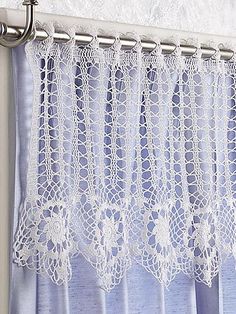
Crochet Lace Curtain. A gentle monochromatic lace panel that filters light beautifully without blocking it. Worked in size 10 cotton thread on a steel hook, it's the piece that makes a plain window look like a French chateau.
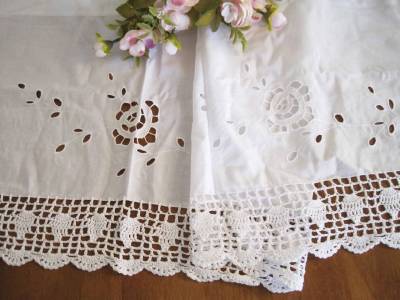
Crochet Curtain Panel. A full-length lace panel for a statement window, built from a repeating motif row so you can control the finished drop precisely. Stiffen lightly after blocking to keep the lace hanging straight.
Kitchen, cafe & window curtains
Half-length and sash curtains for the rooms that need a little privacy and a lot of charm.
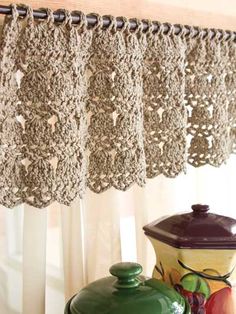
Crochet Kitchen Curtain. Instead of hunting for the exact right size at the store, hook a kitchen curtain to fit your window precisely. These work up quickly in cotton and stand up to the steam and washing a kitchen demands.
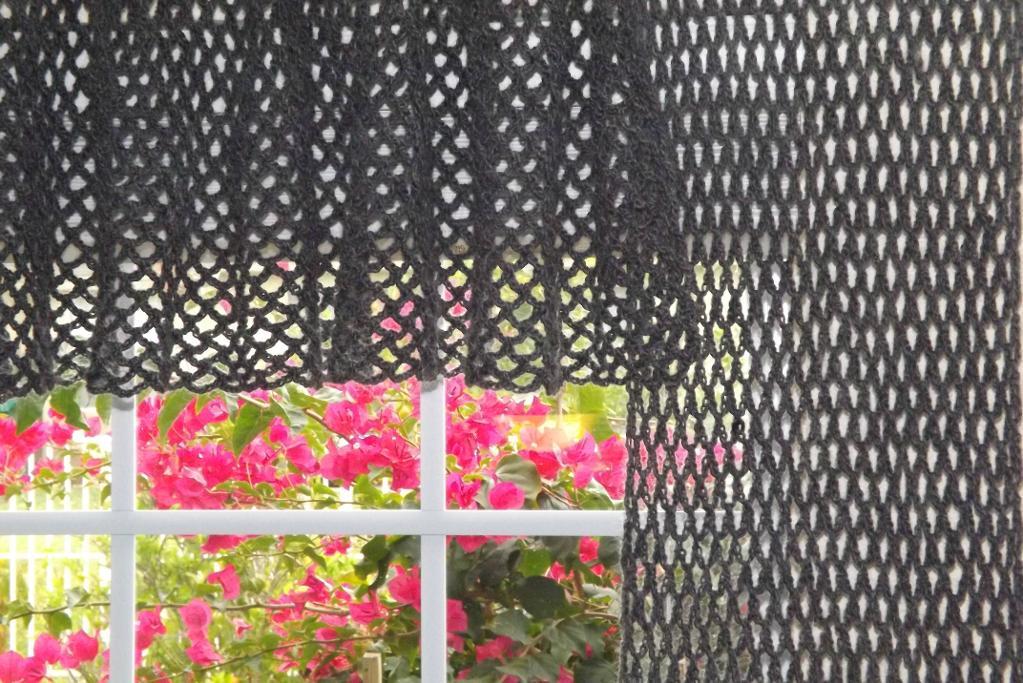
Beginner Window Curtain. A prodigious first curtain — it uses only chain and single crochet to create a soft mesh that sieves the light as it comes through the glass. If you've never made a curtain before, start here.
Cafe Curtain. A short, tension-rod-mounted curtain for the bottom half of a window, worked in cotton thread for an antique cafe look. Perfect for kitchens and bathroom windows where you want light and privacy at once.
Net Curtain. An all-over netted lace that lends a soft, soothing ambience to a bedroom or nursery — attractive as both curtain and light bed canopy.
Decorative & themed curtain patterns
Motif-driven curtains and valances that turn the window itself into the room's focal point.
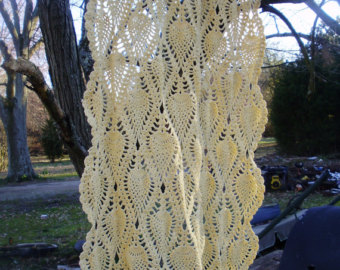
Pineapple Crochet Curtain. The most beloved motif in thread crochet — the pineapple gives a vintage touch that reads surprisingly contemporary against modern decor. A rewarding intermediate project.
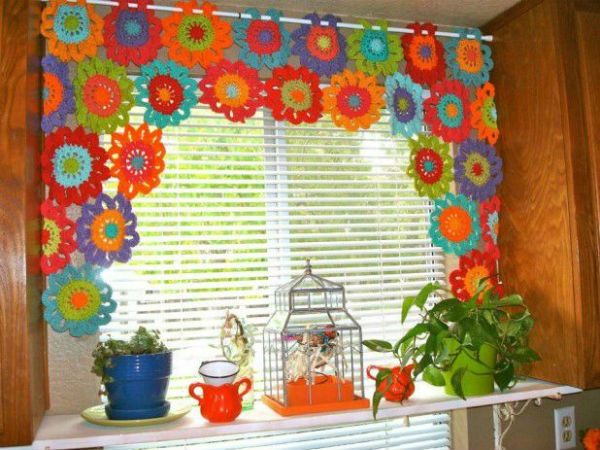
Crochet Flower Curtains. When you want to brighten a room with a splash of color, a flower-motif curtain does it like nothing else — join floral roundels into a panel for a cheerful, garden-window look.
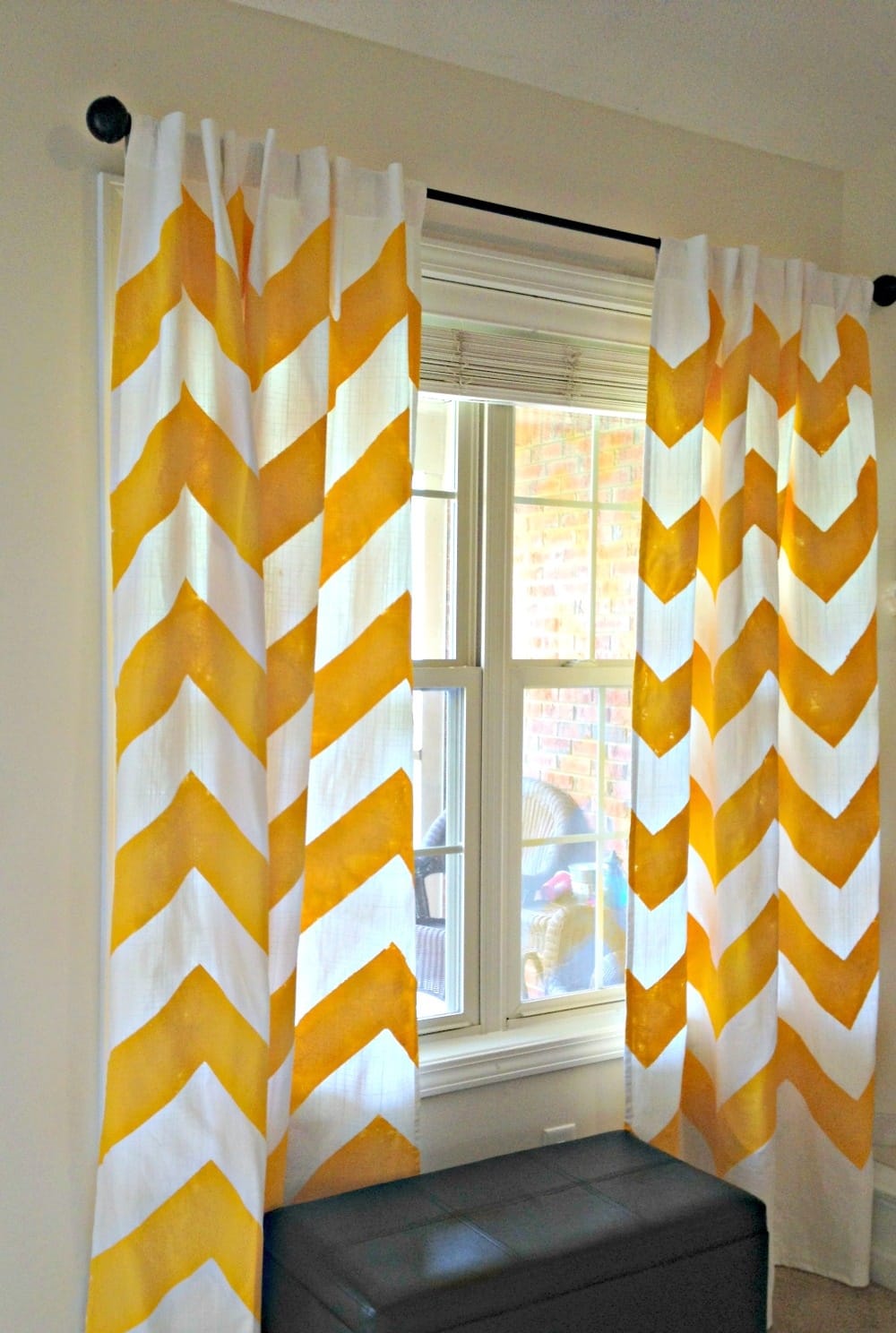
Big Bold Chevron Curtain. For a graphic, modern take, a chevron-striped curtain trades delicate lace for confident color and zigzag rhythm — a great way to use worsted cotton rather than fine thread.
Ruffled & Valance Curtains. Blowing-wheat valances, daisy valances, and ruffled-splendor tops dress the upper edge of a window when you don't want a full-length panel. They're fast, use little yarn, and pack a lot of charm.
Edgings & tie-backs
Not ready to commit to a whole curtain? Add crochet to curtains you already own.
Crochet Curtain Edging. A shell-stitch or scalloped border worked directly onto a fabric curtain — using treble, surface slip, and single crochet stitches — with optional corner motifs. It's the fastest way to add a handmade touch to plain store-bought panels.
Easy Crochet Curtain Tie-Back. No time for a full curtain? A crocheted tie-back holds your existing drapes open and looks more custom than any hardware you can buy — a perfect scrap-and-an-evening project.
Tips for crocheting curtains
- Choose thread by privacy needs. Fine size 10–20 cotton thread makes delicate, see-through lace; worsted cotton makes a denser, more private panel. Decide how much you want to see through before you pick your yarn.
- Measure the window, then add repeats. Filet and motif curtains are modular — swatch one repeat, measure it, and calculate how many you need for the exact width and drop.
- Block and lightly starch. Lace curtains hang straightest after a wet block; a light spray starch or fabric stiffener keeps the edges crisp and prevents curling.
- Mount on a tension rod. A tension curtain rod lets you hang a crochet panel with no drilling — ideal for renters and for cafe-height curtains.
- Use a colorfast cotton. Curtains live in the sun. Choose a good-quality, colorfast cotton so months of daylight don't fade your work.
More home decor to crochet
A curtain is just the start of a handmade window. Pair it with a no-sew option from our no-sew curtains guide for the rooms you want done fast, add crochet doily patterns on the sill and side table, tidy the room with a set of crochet basket patterns, and warm up the space with a crochet vest draped over a reading chair.
Frequently asked questions
What kind of thread should I use for crochet curtains?
It depends on the look. Fine cotton crochet thread in size 10 to 20 gives delicate, translucent lace that filters light — ideal for filet and pineapple panels. Worsted-weight cotton makes a denser, more private curtain that works up faster. Whatever you choose, use a colorfast cotton, since curtains sit in direct sunlight for months.
How do I hang a crochet curtain?
The easiest method is a tension curtain rod threaded through a top row of chain-space loops or a simple casing you crochet into the panel — no drilling required, which is perfect for renters. For heavier panels, sew or crochet a row of loops and hang them from a standard rod with clip rings.
Are crochet curtains hard to make?
Not necessarily. A beginner mesh curtain made from just chain and single crochet is one of the simplest projects in this roundup, and edgings or tie-backs are quicker still. Filet and pineapple panels are intermediate because they involve reading a chart and keeping an even grid, but they're built from the same few basic stitches repeated.
How do I keep crochet lace curtains from curling?
Block the finished panel by wetting or steaming it and pinning it flat to dry to the correct dimensions. A light application of spray starch or fabric stiffener after blocking helps crisp lace hold its shape and resist curling at the edges over time.
Pick a window and start with an easy mesh curtain or a quick tie-back tonight. When your lace is blocked and hung, our no-sew curtains guide and crochet doily patterns are ready to finish the room.